

 Inside RK
When a Quick
Service Restaurant
Needs a Replacement Part
KNOW HOW
After-Sales Service
in Interior Fit-Out
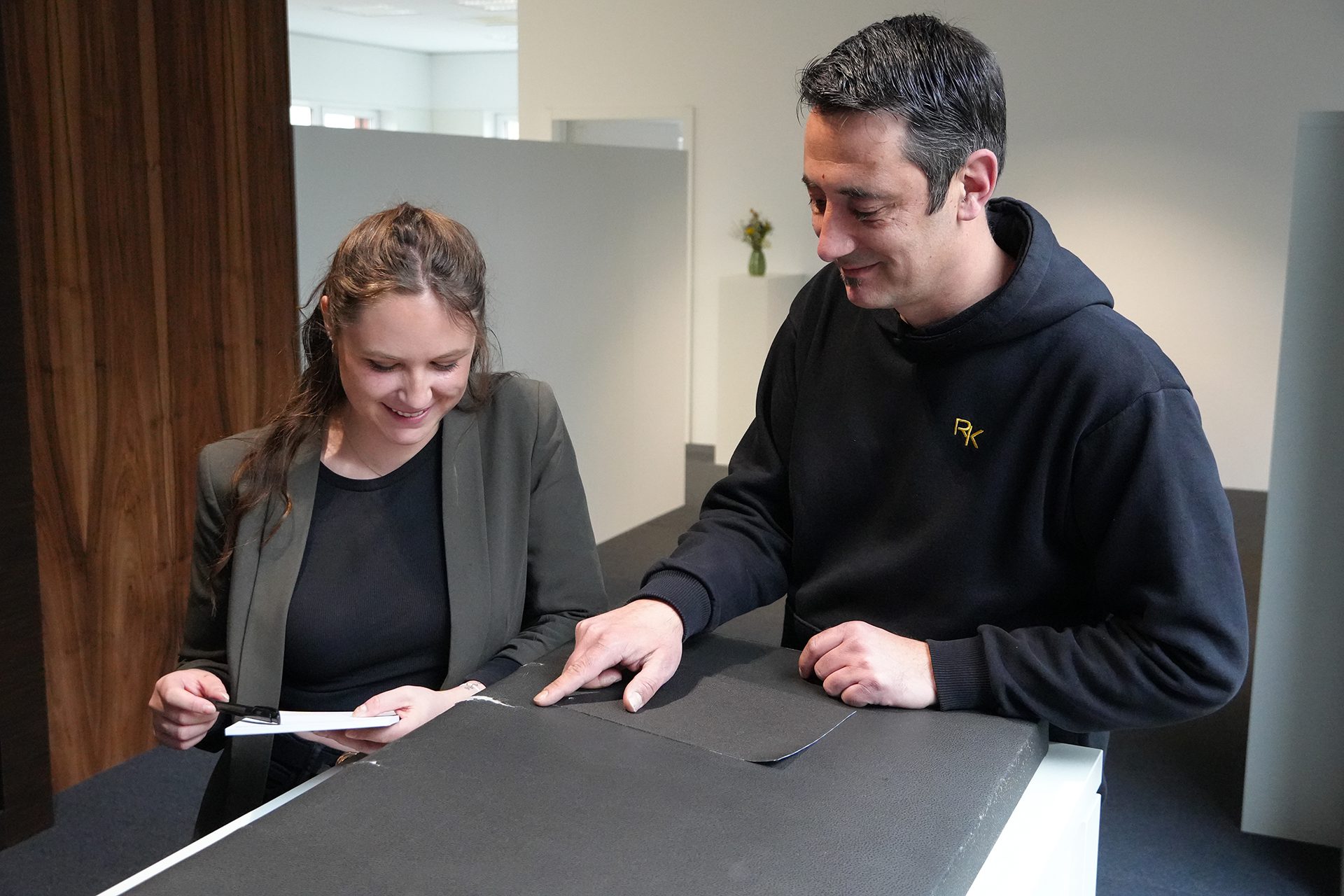
Monday morning at a Quick Service Restaurant. During a walk-through of the dining area, the restaurant manager notices a damaged seat cushion. The seam has split, so the cushion needs to be replaced. Lunch service starts in just a few hours, and the bench itself is still in perfectly good condition. So the goal is simple: replace what is damaged and keep things moving.
But which cushion was installed here in the first place? The restaurant has been open for years. The original interior concept is still in place, and the furniture is used every day. Just any replacement will not do, because the upholstery, color, dimensions, and workmanship need to match the existing bench.
Furniture in busy Quick Service Restaurants is put through heavy daily use. Seat cushions, tabletops, and other interior elements are used, cleaned, and moved constantly. Replacing individual parts from time to time is simply part of ongoing operations. The real challenge often begins with finding the right replacement.
The Search Does Not Start from Scratch
The restaurant manager’s request reaches our After Sales team. If #TEAMRK originally completed the fit-out for that QSR location, our colleagues can refer back to the project documentation.
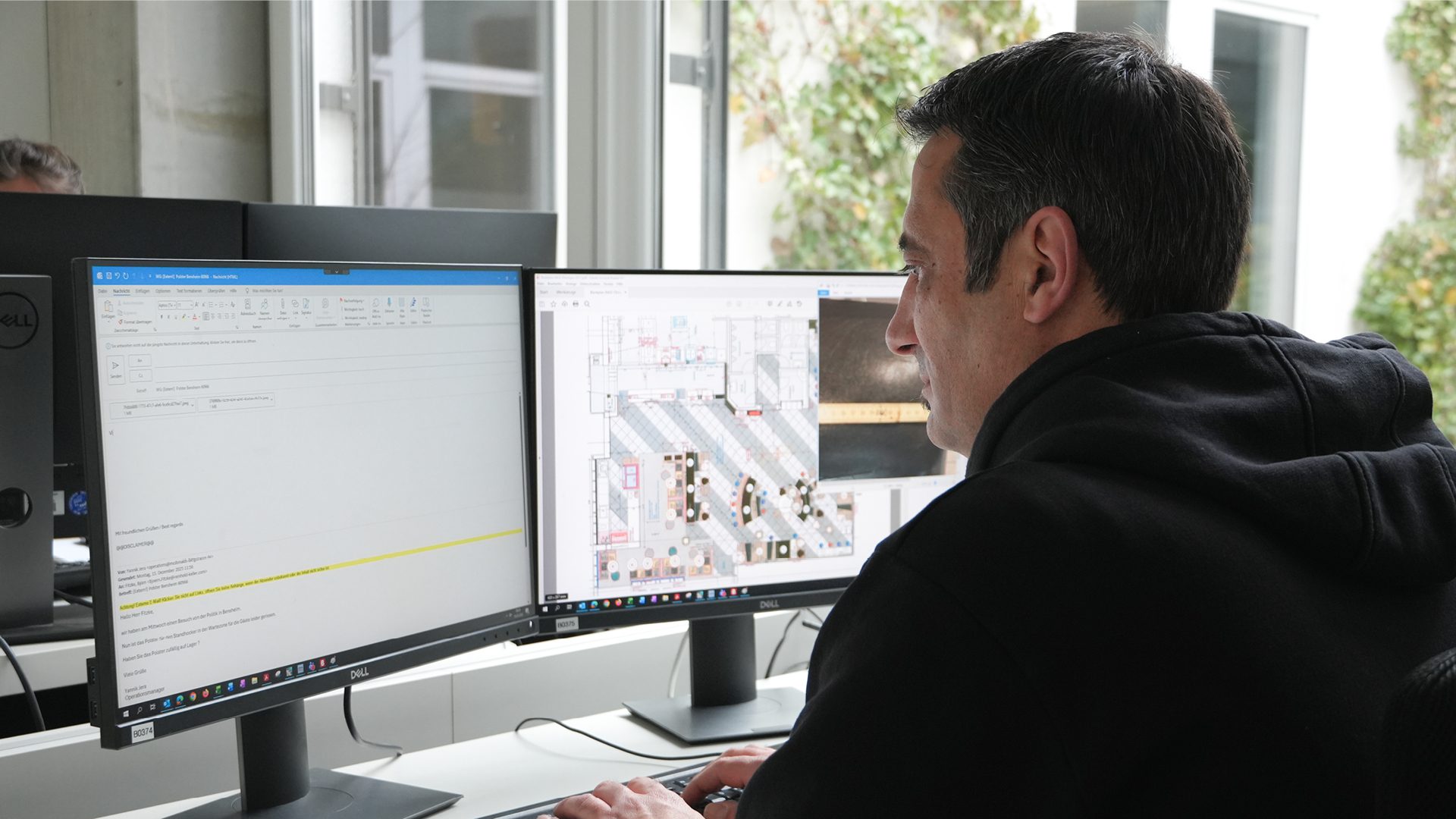
Which bench was produced? Which upholstery was used? What dimensions were recorded? Are there drawings or material specifications from the original fit-out? This information helps us identify the required component and determine the next steps.
If the original material is still available, we check whether a matching replacement can be sourced. If it has since been discontinued, our team looks for a suitable alternative or evaluates a custom reproduction.
The restaurant manager does not have to reconstruct which furnishings were installed years ago. Much of that information is already documented.
WHEN THE ORIGINAL IS NO LONGER AVAILABLE
A lot can change on the supplier side over the years. Manufacturers discontinue products, collections change, and certain materials eventually become unavailable.
The goal for the restaurant’s appearance remains the same. A new cushion, tabletop, or other furniture component should match the existing interior and carry the design concept forward. This is where our own furniture production comes into play.
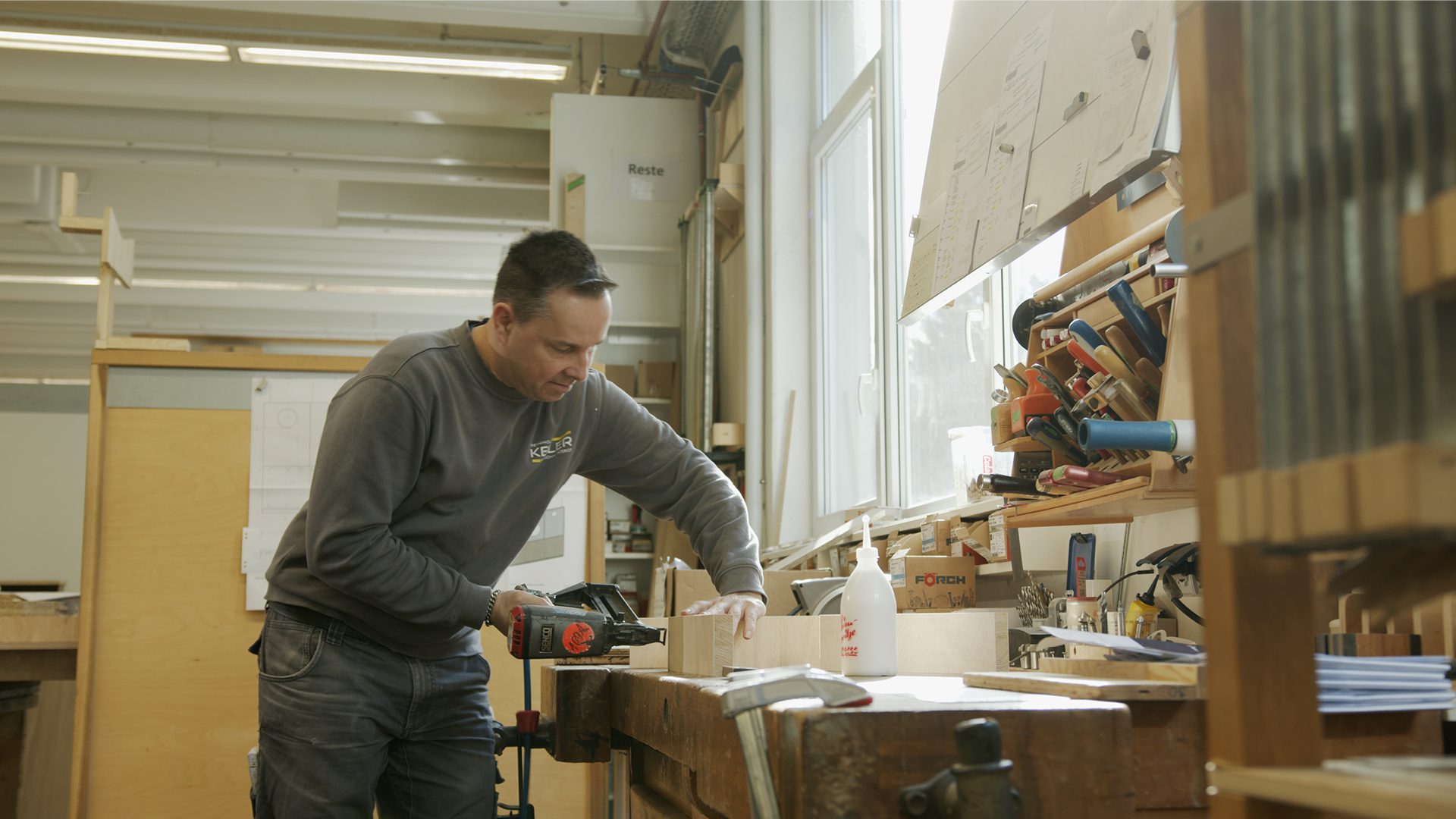
Using the archived project data, we can determine how a component was originally constructed and whether it can be reproduced or adapted accordingly. An exact copy is not always necessary. What matters is finding a technically feasible solution that fits the existing concept.
In this case, that means the entire bench does not need to be replaced just because one seat cushion is damaged. Disruption to restaurant operations stays minimal, and most of the existing furnishings can remain in use.
WHY PROJECT DATA STILL MATTERS YEARS LATER
A single replacement part can show the long-term value of good project documentation. Drawings, material specifications, and fabrication details are not only relevant during planning and installation. They may be needed again years later when furniture is added, parts need replacing, or individual components have to be reproduced.
For our After Sales team, that documentation preserves the link to the original project. What was planned and produced back then can serve years later as the basis for a reorder or custom reproduction.
ONE DESGIN CONCEPT, MANY LOCATIONS
In a franchise system, the same bench may be used across many restaurants. Design concepts are sometimes rolled out internationally across thousands of QSR locations. Furniture, materials, and design elements follow defined standards and reappear in comparable form from one site to the next.
A replacement part needed at one location today may therefore be relevant at another site within the same system later on. From past rollouts, we are familiar with many of these configurations. That makes it easier to identify furniture types, materials, and technical details when a new request comes in years after opening.
INTERIOR FIT-OUT DOES NOT END AT THE FRONT DOOR
For the restaurant manager, the end result is very practical: the damaged seat cushion needs to be replaced, match the dining area, and be ready for use again as quickly as possible.
A request like this often involves more than placing a simple order. Project data has to be reviewed, materials identified, and alternatives or custom reproductions found depending on availability. Our After Sales Service for Quick Service Restaurants handles these tasks even years after the original fit-out was completed.
AFTER SALES SERVICE
A damaged cushion, a missing tabletop, or a replacement part that is no longer available.
Our After Sales Team draws on existing project data, checks materials and dimensions, and identifies the right solution. From reordering to custom fabrication, even years after the original project was completed.

News
all news-
Inside RK
-
 Inside RK
Plans Don’t Install Furniture
-
 Inside RK
Summer Activities 2026
-
 Inside RK
New CNC Technology for Our Production
-
 Inside RK
Production Expansion in Kleinheubach
-
 Inside RK
Dirk’s Eye for the Big Picture
-
 Case Study
Hotel Remodeling at Motel One Hamburg-Alster
-
 Inside RK
Apprenticeship? Nailed it!