 General
World Bee Day 2026
A Day for the
Small Giants
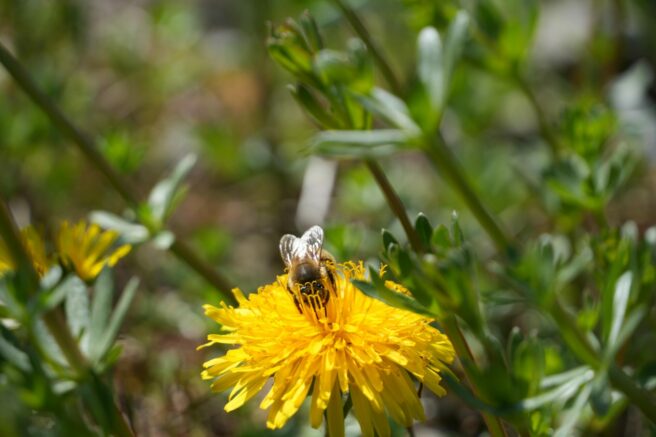
No other animal species pollinates more plants. None produces honey that can last for thousands of years. And none is so often taken for granted as the bee. Yet this small creature carries the diversity of our food on its delicate wings. More than three quarters of all crop and cultivated plant species in Europe would be hard to imagine without bees.
For this reason, the United Nations designated May 20 as official World Bee Day in 2018. It is a reminder for all of us to pause and show respect for the animals to which we owe so much, yet so rarely truly notice in everyday life.
Queen Resi Keller I and Her Colony
For us at #TEAMRK, this day has felt especially close to home since spring 2025, when our own bee colonies moved in right outside our door in Kleinheubach. What started as an idea has become part of our everyday life, and something we are genuinely proud of.
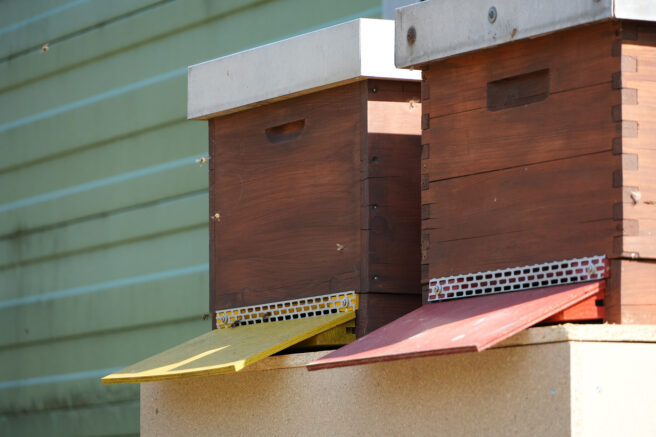
Queen Resi Keller I and her colony have found a home near our logistics center. Together with the regional beekeeping association Miltenberg-Obernburg, we installed two self-built beehives. In summer, up to 40,000 Buckfast bees populate the hives. This bee breed is known for its gentle nature and tireless work ethic.
Honey Tasting During the Lunch Break
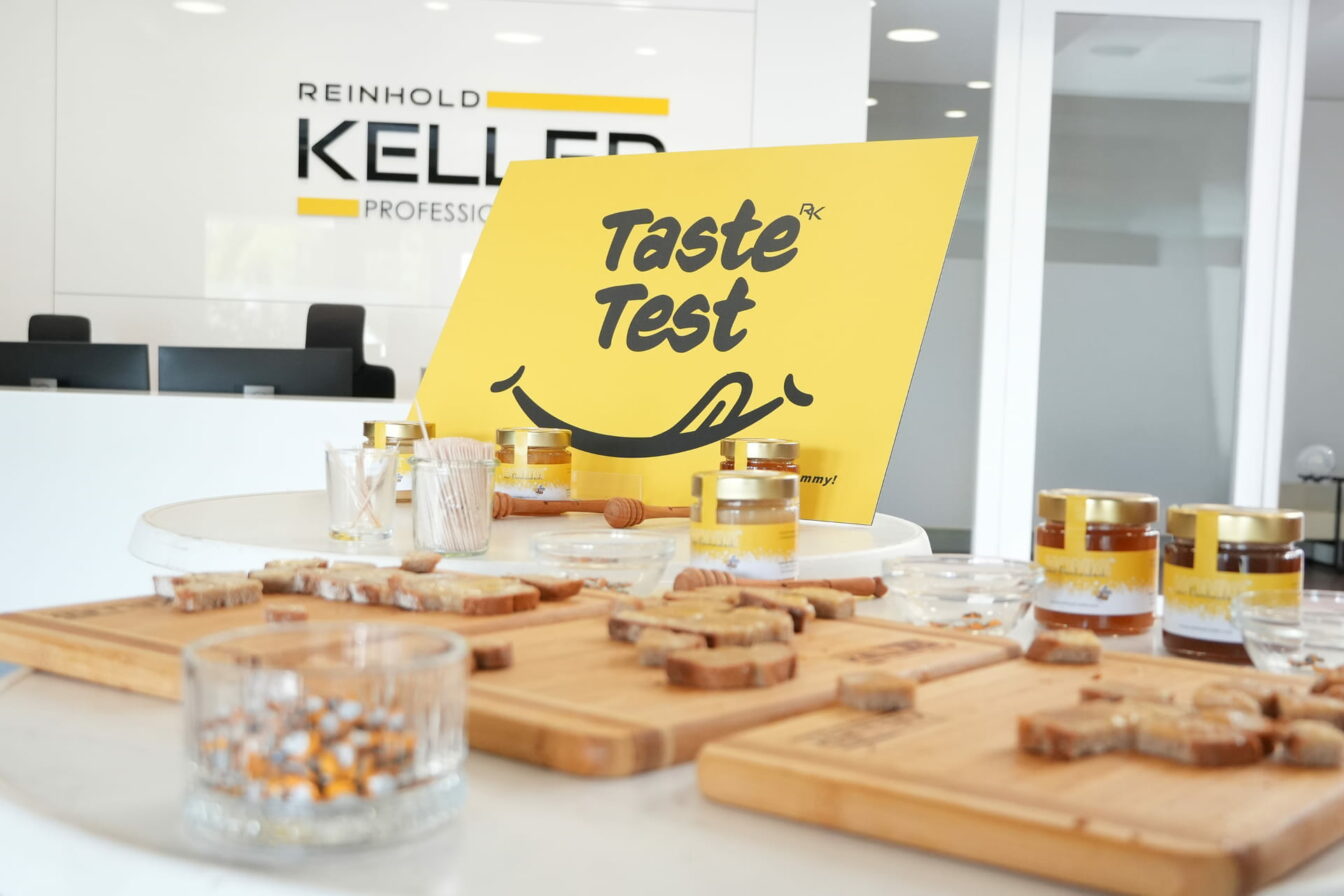
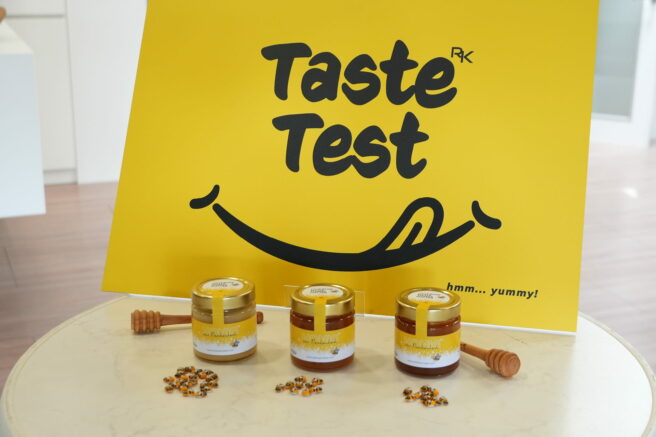
Since World Bee Day deserves to be celebrated properly, our #TEAMRK tasted our very own RK honey during the lunch break this week. Three different varieties were available to try:
- Spring blossom honey: light and creamy
- Summer blossom honey: golden and mild
- Forest and blossom honey: dark and liquid
All three were well received, but there was one clear favorite: the spring blossom honey won over #TEAMRK!
Small, Hardworking, Essential
Bees are not a side note in nature. They are part of its foundation. And each of us can help ensure that this remains the case. Bee-friendly flowers such as lavender, borage or phacelia can make a difference, even on a balcony. A shallow bowl of water with small stones as landing spots can help on hot days. Avoiding chemical pesticides does the small helpers a great service. And empty honey jars should always be rinsed out, as honey attracts bees and, in the worst case, can harm them.
Here’s to many more summers full of buzzing and humming. BEEcause little things matter!
News
all news-
General
-
 Engagement
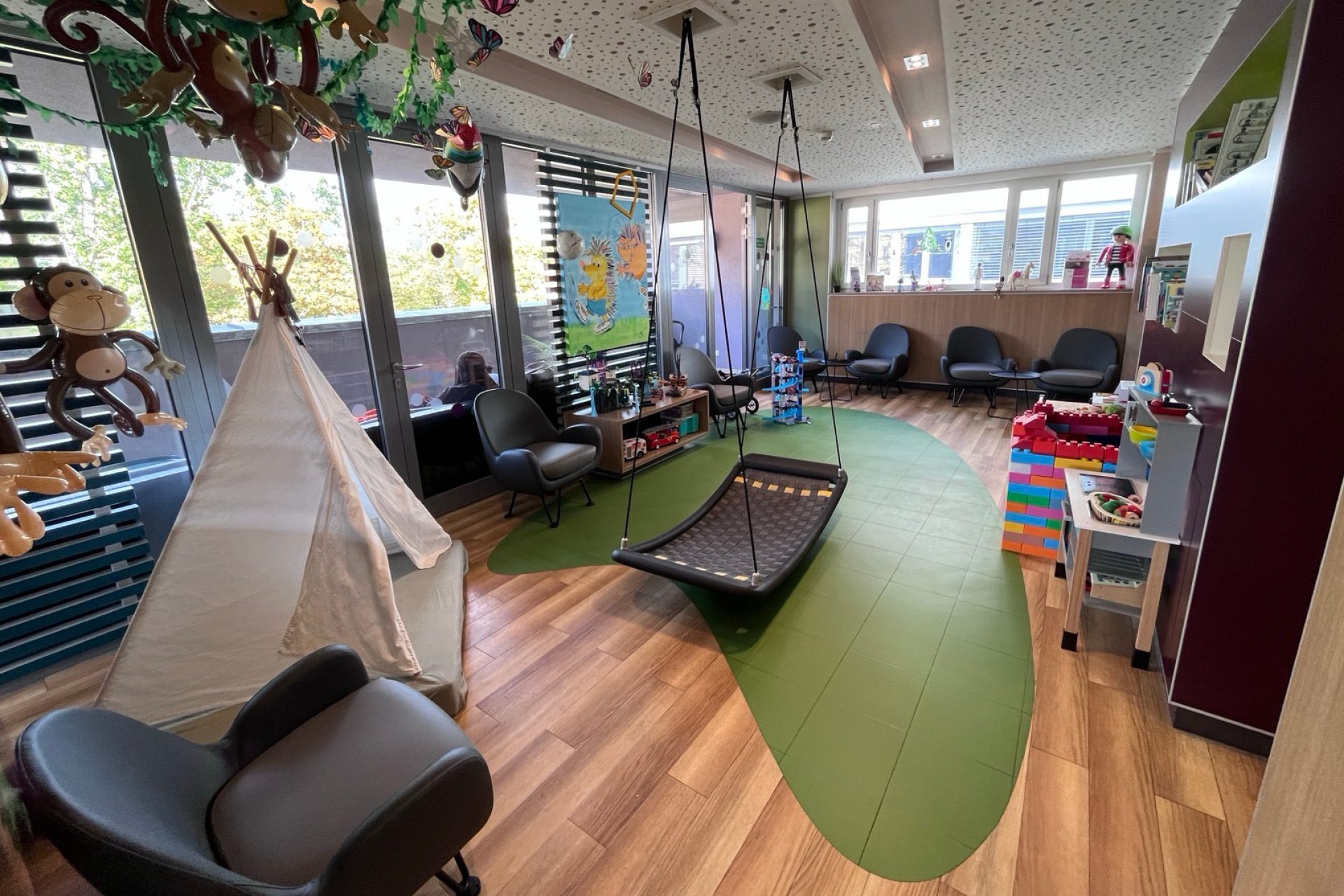
New Favorite Spots at the Ronald McDonald Family Room
-
 Inside RK
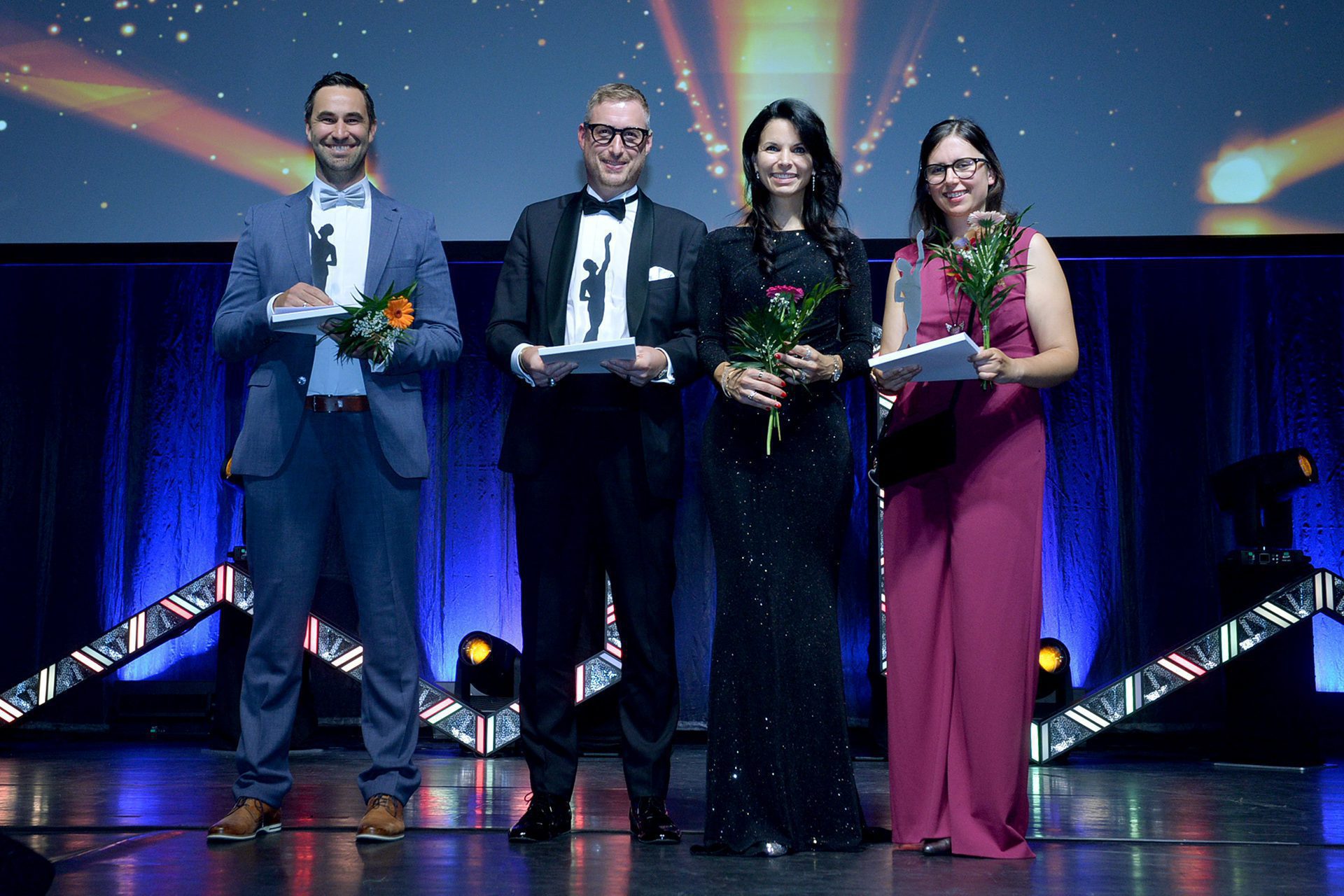
RK named a Finalist for the 2026 Grosser Preis des Mittelstandes
-
 Know How
After-Sales Service in Interior Fit-Out
-
 Inside RK
Plans Don’t Install Furniture
-
 Inside RK
Summer Activities 2026
-
 Inside RK
New CNC Technology for Our Production
-
 Inside RK
Production Expansion in Kleinheubach